6.25.2008

Autumn


單色調(有人也許會喜歡說灰色調)是我偏愛的色調,
不是為了"為賦新辭強說愁"而用它來搞些莫名其妙的憂鬱或哀愁...
其實我在大學時期就用了很多的單色調,
這甚至引發有些半吊子同班同學質疑我是否色盲, 或對色彩毫無敏感度等等諸如此類莫名其妙的問題.

顏色本身是有個性的.
顏色能暗喻或明喻各式各樣的情緒;
在一定的程度範圍裡,
不同的顏色能帶給作品不同的表情.
它是繪畫語言裡的一部份,
不是全部,
如何運用端看畫家的創作意圖與目的.

單色調成為我作品主調的原因,
是因為我的題材專注在一些不起眼
無顯著"個性"的物體,
用最簡單的表達方式, 包括簡化造形, 簡化色彩...等等.
用最原始, 沒被變造過的材料, 例如, 膠帶或紙張, 運用它們的物質性, 它們的樸質性, 來做為我創作當中簡單的語彙; 從"簡單"中試著萃煉出一點我自己所謂的美感, 或者反射我印象裡的美感經驗, 透過寫實的方式與觀者產生一些連結與交集. 

運用顏色對我而言, 只是讓作品從"現實"中又回到了"虛幻", 這也是有"寫實主義"以來, 絕大部份的畫家重複從事的工作, 所以, 單色調的使用對我的作品是具有相當的意義與重要性的. 雖然, "現實"與"虛幻"通常卻是一體的兩面.

畫面的形成往往來自我對自己生活經驗跟記憶的一種投射.
也許吧,
憑著自己這一點點乏善可陳的記憶, 何來繽紛的色彩可言?
單色調可能直接表現了我對人生大致上悲觀的態度,
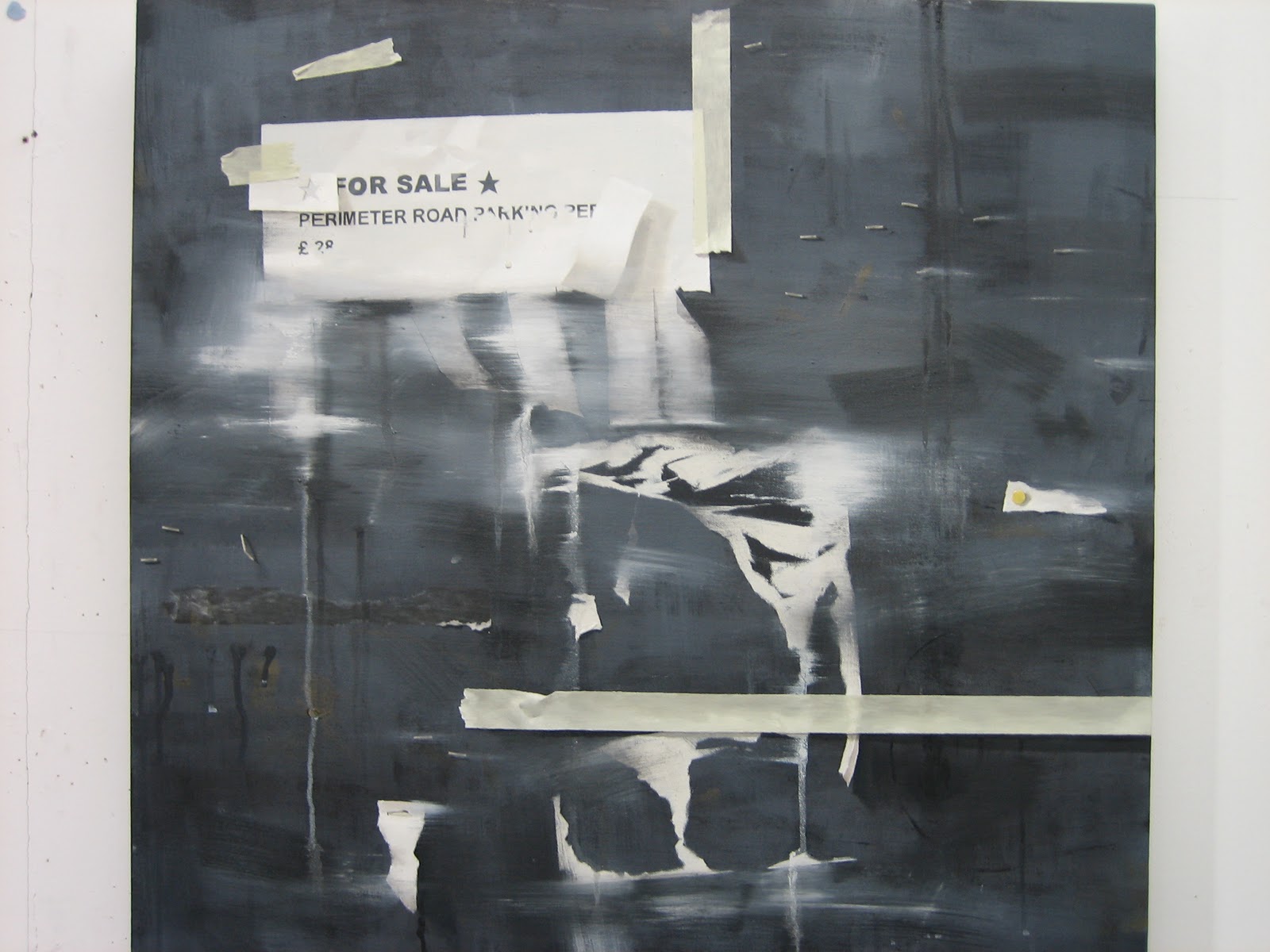
尤其是這張Autumn,
膠帶與碳筆交錯的痕跡, 黑色被黃色襯托了出來;
膠帶或許不是重點, 重點或許是那背景的黑...
虛虛實實... "不確定感"間接主宰這張畫的詮釋.
人生的虛實不過就是這樣?
繁華若夢,
當然, 我相信, 在這一切虛情假意的人間世,
總有那麼一點什麼東西是'真'的,
可以細細回味.

Autumn, 2008, oil and charcoal on canvas, 130x100 cm 


4.25.2008

孤島


我是一座孤島


一座在汪洋大海中的孤島

沒有船靠岸 也沒有願稍做停留的飛鳥
我是一座孤島
有時波濤洶湧 有時風平浪靜的海洋圍繞
看著日出 望著日暮
似弦的月
像把嵌在我胸口的彎刀
提醒那夜是多麼的黑
連它都想趁太陽出來前逃跑
我是座孤島
一座被世人遺棄的島
看著天晴 望著天雨
飄過的雲 是天晴時唯一浪漫的風景
雨後泥濘 卻只能期待下一次的天晴
我是孤島
已經被自己遺忘的島
忘掉了時間
忘掉了空間
或許 只有忘掉
才會記得
自己生來就是一座孤島


PS. 人在異國
  格外能感受到不同的心情
  在蘭卡的最後一年
  人生中最重要的事
  將在不久後完成與實現
  自己的期許或許遠低於認識我的人的盼望
  可異鄉的心情有多少人能真實體會
  尤其是論文寫到一個焦頭爛額的時候.....

  在Lancaster又有感又無聊而塗鴉並寫了這首"孤島"


12.25.2007

Harbor


Harbor

2007
Oil on canvas
100 x 150 cm


野薑花


花一直是我繪畫中很重要的題材,
並非是因為世俗印象裡適合擺放在起居室供訪客膜拜讚賞的因素;
而是,
花的靜默與無語讓我有很深的感觸.
尤其在黑暗的夜裡,
不論是一朵或是一片花海,
各自在角落沉默地散發著動人的幽香,
這是我所景仰的一種"力量",
一種非繁華喧嚷所能達到的"低調而沉穩的力量".
即使是短暫的綻放,
那香氣卻使人難忘.....


野薑花, oil on canvas, 23 x 29.3 cm, 2007


Field


2007
Oil on canvas
100 x 150 cm


7.26.2007

Attached and Detached


Oil on canvas
99 X 150 cm
2007


(Detail I)


(Detail II)


(Detail III)


12.09.2006

一塊小茶包


日大腦活動日益旺盛

間接拖累了老化的軀體

夜裡輾轉反側

白天精神萎靡

如此交相折騰

只得想想對策...

熬人蔘湯補

只怕虛熱上火 鼻血如注 自己會嚇壞自己 該不是壯志未酬 卻行將就木...

佐以粗菜淡飯 又食之乏味 且有人悻悻然告之 中風與有無大魚大肉毫無關聯 吃素者半身癱瘓大有人在...

其實 平日僅以麵食裹腹 不外乎乾 湯兩種 簡樸的程度 簡直比蔣經國提倡六菜一湯的梅花餐或毛主席倡行勞改的時代有過而無不及 心中頓時泛起一種莫名的自我感覺正確驕傲感!

言歸正傳 當然 提振不濟的精神狀態 有許多方法....

捏大腿 甩耳光 潑冷水 都不是文明人應該有的行為舉止

打電話關心同樣身處水深火熱的博士同胞 互吐悶氣 多半從自身的鳥事 一路論及他人的種種八卦 兩小時消逝如兩分鐘 當掛完電話的那一刻 更空虛無比 又不得不以啤酒或其他酒精類飲料來沖淡 當重新出發 按開WORDS裡的未完論文之際 早已哈欠連連....警惕自己 假以"留得青山在不怕沒論文寫"的健康理由 只好寄望明天又是一個嶄新的開始!

心理學上 這叫什麼呢?  "類駝鳥精神官能症併發腦肌肉沾黏"是吧??

偶然間 領悟...並不須要這般恐懼現狀的

日子一樣天天過 論文就一個字一個字慢慢爬 機慢車再慢 也會到的了終點的不是? 當然 故障就什麼都不必再說了...

那....講半天 干茶包什麼事?

文人寫文章不都先要囉嗦一堆再引入正題嗎?

我其實不喝茶包的 印象裡它一種次級品的代名詞 澀且無味 茶色呆滯 餘津澆薄
上不了什麼檯面的

可是 現在喝了 而且 經常喝 

事實上 茶包並也沒那麼不堪飲用 尤其在物資缺乏 人情冷漠 且光華商場隨便用來跳繩的一條五公尺長網路線卻要賣600元台幣該死的英國 夜裡來杯茉莉花茶 還是件挺愜意的事呢...

通常一塊茶包 了不起沖泡個兩三次就已壽終正寢 同時 還要記得不能置於水中過久 不然 泡出來的茶就像是準備用來刷洗馬桶的穩潔 喝完它 喉嚨就像被一列快出軌的台灣高鐵給狠狠穿過 雖然引發出那種天生喜歡被蹂躪的變態快感 但是 螺肉終究是螺肉 不會因為漂過太白水就成了鮑魚

茶包已然成為我日常生活中的良伴 簡單 快速 不繁文縟節 用過即丟 不必像一兩動輒千元的高山茶葉 泡到天翻地覆 無怨無悔 最後還因為捨不得而做成枕頭 殘餘的一點點價值仍被高度重視 茶包就免了吧!

寫到這裡 才猛然驚覺 自己不正像茶包嗎!? 絞盡腦汁 嘔心瀝血 榨乾之後 我成了沒用的茶包 那些畫卻是最後喝進別人肚子裡的茶湯 不過 這樣也好 乾淨的痛快! 至少從我這萃取出來的 不是無盡的讚賞就是不屑一顧 多麼豪氣干雲!!

茶包或許進了垃圾桶 別忘了 我有一堆的茶包 風味不同 表情多樣 當茶湯飲盡的同時 新的茶包會重新再來一遍....

我會換湯 也換茶包的


(交戰於論文與創作兩邊 有感而發的廢話, 09/12, 2006)


9.07.2006

Living With Shadows


7 1/2 Inches 
39×39 inches, Oil on canvas 2002


物體因為任何光線所產生的陰跟影是我在紐約時期所重視的焦點 所以 由此可知 畫面中的元素將會由單一的”物"擴張成複雜的"氛圍" 原來的Object因而變成一種藝術表現手法上的synecdoche(提喻)  畫中的mundane objects提喻日常生活中的banality 與周圍的大氣連結在一起 而不再只是單純且記錄性的描寫 對寫實主義而言 是脫離傳統的客觀再製 而走向更明顯並具個人看法的藝術表現 簡而言之 就是我所謂的Poetic Realism


Who Are You? 
32×56 inches ,Oil on canvas 2002


Little Bag 
32×39 inches, Oil on canvas 2002


The End 
44×74 inches, Oil on canvas 2002


Rest 
42×60 inches, Oil on canvas 2002


Rivers 
50×52 inches, Oil on canvas 2002


7.28.2006

紐約畫家的寂寞獨白


Dear Mom

 上圖 Dear Mom, oil on canvas, 32X32 inches, 2002


在Junction Blvd.的地鐵站上等候七號列車,前往曼哈頓的工作室,昨天的一場暴風雪滿滿地覆蓋住月台,一個女清潔工穿著厚重的灰色大衣,手握著大鐵鏟,正賣力地在寒風刺骨的月台上將厚厚的積雪鏟到一旁,以免候車的乘客在匆忙上下車時滑倒而發生意外;她不疾不徐、來來回回推著雪塊,神情專注地就像一名裝置藝術家,絲毫不為月台上熙來攘往的人群所影響,還輕快地哼著黑人藍調,彷彿月台就是她的舞台,此刻,我看到的不只是一個能自得其樂的工作人,同時也被她敬業而虔誠的態度所感動…。


不起眼的事物,最深沉的思緒

走出地鐵站,在街角買了一杯咖啡、兩個apricot scone到自己的工作室開始一天的工作;工作室光線充足、空間寬敞,足以完成巨幅的畫作,而這個空間就完全與地鐵車廂或外界的截然不同,它純粹是一個屬於自我對話的地方,需要不斷地從回憶或經驗中反芻,透過畫布還原抽象的個人情感於現實世界裡。其實,整個創作的過程並不十分容易,因為你必須要虔誠地面對自己,尋找內心最真實的聲音;為了找到自己的personal voice,我開始關注身邊的事物,一些不起眼但又曾經出現在我生命中的mundane object,即使是一張殘破的小紙片,也會讓我有無限的聯想,也許它曾經是一對情侶的海誓山盟,也許它記憶著對已逝親人的深深思念。
「Dear Mom…」是我在紐約第一次個展的其中一張作品,我的母親在我赴美的前一年因癌症去世,這是我人生中最傷心的一件事,在紐約最初的半年期間,時常都會夢見她的形影,醒來時才發現淚水早已讓枕頭浸濕,我真的渴望能親口跟她述說或分享好多事情,可是那已經是不可能的了,所以我畫了一張信紙,上面滿是我對她的思念,藉著風的傳遞請在天堂的母親別再為我牽掛…。 紐約是一個絕對適合發現自我的城市,因為處處所呈現的盡是鮮明的個人主義與風格,尤其以藝術而言,不論任何形式的表現,皆能在此發出個人獨特的聲音,並找到屬於自己的觀眾;藝術家不靠媚俗的作品,更能博得大眾的掌聲! 這算是我思想上的蛻變,重新思考自己真正想要的東西,完全屬於自己的品牌。

You can transfer to everything

每天前往工作室的途中經常會遇見一隻流浪狗四處覓食,在美國流浪動物是非常罕見的,除了同情牠失去主人的關愛之外,也聯想到自己不也是正在這裡尋找自己想要的嗎? 「137th St.」其實就是自我的寫照,形單影隻漫步在幽暗的街頭,模糊的形體暗示著即將面對的是不可測的未來…。

一個人在紐約的生活,很奢侈也很簡單,簡單的是思考及創作就已經佔據了大半的時間。奢侈的是永遠有看不完的畫廊和藝術品、各式各樣最新奇的玩意兒,還有不知道什麼時候會突然發生在自己身上的各種可能性。有一次搭1號列車,當列車停妥在Time Square (時代廣場)的月台時,車掌照例會廣播告知乘客所能轉乘的各個路線,而那率性的車掌老兄卻說:”….42nd St. Time Square…you can transfer to everything…stand away the closing door….” (42街與時代廣場到了你可以在這轉換所有你想要的,請注意即將關閉的車門),當時所有乘客都會心一笑,這個世界不就是充滿了各種機會與可能嗎?


(圖文載於2003.2.1 CHEERS – 紐約 強人的金銀島)


下圖 137th St., oil on canvas, 44X80 inches, 2002


7.13.2006

留住記憶深處的永恆


創作是一種詮釋生命的方式,有人以文字表達,有人以影像展現,我用畫花串連童年與今時,留住記憶深處的永恆…

文/宋曉明2001年9月 Cheers雜誌

 小學的前一年,每天一大早我都會跟著媽媽騎著鐵馬上工去,也許她是怕我一個人在家不小心掉進水缸裡,或是玩火柴把房子給燒了,所以總是將我緊緊地拴在她的身旁。

進入美麗花世界

我的童年大部份是在工廠旁那一大塊荒廢的空地上度過,別小看那塊有三座籃球場大小般的空地,我所累積對植物的常識及經驗,甚至日後對於品嚐果實的甜度、色澤與水份的自信可都是由此而來。 
 空地的四周堆積了許多廢棄物,大部份是大理石塊,置身其中彷彿一座堅固的堡壘,各種不知名的野生植物,自石縫間竄出而蓬勃發展,其中最令我印象深刻的是一種會結出暗紫色果子的植物,它的高度約五、六十公分,果實的大小約為玻璃彈珠的三分之一,甜中帶酸,酸中帶甜,在陽光下就像一顆顆紫色的珍珠,散發出誘人的色澤,我已不記得結成果實之前曾經綻放或白或黃的小花,印象中只有它的滋味,應是當時的視覺記憶,不如味覺的經驗吧!

畫花初體驗
第一次畫花是在一群工作中的歐巴桑腳邊開始的。春夏季節我喜歡在草地品嚐甜果,認識各樣植物,到了十二月,植物都進入冬眠期,我只得在工廠裡消磨漫長的時間。當時因為是按件計酬,所以媽媽們在工作時都充分把握時間,右手緊緊握著沉重的電動刻刀,一個個描著馬車、花朵圖案的大理石煙灰缸在左手流轉,而嘴巴也沒閒著,「嘿!妳先生昨暝去賭是贏多少啊?」「聽阿娥說隔壁阿喜囡查某跟人跑了!」「我跟妳講喔!不要再向別人講是阿娥報我知......」對我而言,那些風花雪月是不可預知的未來。

她們一面工作,一面開講,當中還可以感受到一股競爭的暗流洶湧著,通常小孩子的學業成績最容易拿出來「立決高下」。談笑間,一朵朵牡丹層次分明地在手中的大理石瓶上綻放時,真是教人讚嘆不已,有時因為偶爾的失誤,多刻了一條弧線,她們總可以輕易地讓那一條弧線成了另一朵花,我對其之崇高敬意更不用說了!

 漸漸地,我開始拿粉筆在地上試著模倣花瓶上的圖樣,從一朵花變成兩朵花,從兩朵變四朵......,歐巴桑們開始注意到我這個老是趴在地上的「天才」,因為,當她們起身上廁所的時候,都要先低頭看一下,可別踩到我的手,又毀了我的「精心傑作」。當然,我不是為了蒐集她們的小道流言,或是緩和緊張的工作氣氛而時常蹲在其座位四周,因為地板是我所能找到作畫的理想場所,重要的是,也因此博得一些讚美和零食,同時為媽媽在「小孩學業成績」這一競賽項目中扳回一城。
 那片草地、那個工廠,一個是寂靜、一個是吵雜,同時伴我走過童年的光陰,有時回想起來,心頭都會飄過一縷淡淡的哀愁。小時候對於花的概念及印象,大多伴隨著它的顏色和味道,後來,才逐漸明白,原來花的生命是那樣地脆弱且短暫。人們為了時時能瞻仰它最美、最燦爛的花容,無不以各種形式讓它出現在日常器皿、衣帽、桌巾,甚至馬桶上。

以畫花歌頌生命的永恆
在詩人泰戈爾(Rabindranath Tagore,1861-1941)的筆下,花兒純潔而無聲的軀殼中,經常蘊含著敏感、多情的靈魂(註1)。我期待自己的作品也像一首抒情詩,一個筆觸、一個塊面,便能代表萬語千言。

小時候畫花只是好玩,現在畫花,是它讓我深覺生命是如此地匆促,且如此地卑微,教我熱切地想用自己的方式歌頌那看似短暫,卻是記憶深處的永恆。在這片廣大的泥土上,有一些不知名的花也曾經美麗地綻放,只是我沒有看過,甚至沒有人知道。人的世界是否如此?在為世人所知之前,就早已枯萎凋零了。詩人鄭愁予這麼詮釋生命: 

滑落過長空的下坡,我是熄了燈的流星 
正乘夜雨的微涼,趕一程赴賭的路 
待投擲的生命如雨點,在湖上激起一夜的迷霧 
夠了,生命如此的短,竟短得如此的華美!

 偶然間,我是勝了,造物自迷於錦繡的設局 
畢竟是日子如針,曳著先濃後淡的彩線 
起落的拾指之間,反繡出我偏傲的明暗 
算了,生命如此之速,竟速得如此之寧靜!(註2)


註1. The night's flower was late when the morning kissed her, she shivered and sighed and dropped to the ground.-----Stray Birds.

註2. 鄭愁予(1933-)的作品----生命(1956)


6.29.2006

Zephyr


Oil on canvas, 2006


Canvas


Oil on canvas, 2005/2006


Poetic Realist Art


Dawn 是我幾張對抒情寫實的看法其中一張作品
半抽象的背景 與前景和諧的線條(膠帶)互相襯托
我並不想賣弄寫實的絕技
只是簡單自我日常生活當中 我的畫室裡尋找一些不起眼的材料
而加以描寫
因為 我相信 再簡單不過的東西也會有它美的一面
甚至也能經過藝術家的想法而產生一些詩意的美感
It is not about what to paint, but how to paint.


3.13.2006

孤獨的詮釋


I find it wholesome to be alone the greater part of the time.
To be in company, even with the best, is soon wearisome and dissipating.
I love to be alone.
I never found the companion that was so companionable as solitude. We are for the most part more lonely when we go abroad among men than when we stay in our chambers. A man thinking or working is always alone, let him be where he will. Solitude is not measured by the miles of space that intervene between a man and his fellows. The really diligent student in one of the crowded hives of Cambridge College is as solitary as a dervish in the desert.
The farmer can work alone in the field or the woods all day, hoeing or chopping, and not feel lonesome, because he is employed; but when he comes home at night he cannot sit down in a room, at the mercy of his thoughts, but must be where he can "see the folks", and recreate, and as he thinks remunerate himself for his day's solitude; and hence he wonders how the student can sit alone in the house all night and most of the day without ennui and "the blues"; but he does not realize that the student, though in the house, is still at work in his field, and chopping in his woods, as the farmer in his, and in turn seeks the same recreation and society that the latter does, though it may be a more condensed form of it.


(These paragraphs are in 'Walden", Henry D. Thoreau, 1971, p.136)


我發現大部份時間保持孤獨是有益處的. 
與人為伴, 即使是最好的伙伴, 那伙伴關係不久也會變得厭倦無趣.
我愛獨處.
我從未找到比孤獨更為可伴的伴侶;
在我們外出擠身在人群裡時, 常常是比我們留在自己房間裡時, 更覺孤獨.
不管身在何處, 當一個人思想或工作時, 他總是孤獨的.
孤獨是不能以人與人之間的空間距離來衡量的.
住在劍橋學院蜂窩似宿舍的那個真正用心的學生, 和處身在沙漠中的那個托缽僧一樣孤獨; 農人竟日在田裡或林裡工作, 鋤草伐木, 而不覺孤獨. 因為那是他在工作的緣故, 但日入以後回到家裡, 卻不能在室中獨坐, 由於胡思亂想, 不得安寧, 必須找個能看見人的地方消遣消遣, 以酬償其日間的孤獨; 因而他會驚奇, 為什麼那個學生能整天整夜獨坐在屋裡面而不覺無趣與沮喪, 然而, 他不知道, 那個學生雖然是在屋裡, 卻仍是在他的田裡耕種, 在他的林裡伐木, 就像這農人在他的田裡工作一樣, 而且工作以後, 也要像農人一樣, 找點消遣, 找點社交, 只是這種社交消遣的方式較為收縮而已.


亨利 大衛 梭羅(1817~1862) 是我最崇敬的思想家,散文家,及自然主義大師.
當我們急於探索和學習一切的同時 我們總希望一切都神秘而未被人發現 希望陸地和海洋
永遠原始 因為奧秘 而使我們無法測度


~梭羅


3.10.2006

Living With Shadows

‘Everything has its own shadow even if in the darkest space which can’t be recognized. Sometimes shadows are just like the memory, appearing clearly or indistinctly. One thing I believe is that shadows can’t be eliminated from the object, unless the object vanished into the air.’


My childhood is my “shadow”. At the time I always unaccompanied in childhood and the person who was most close to me was my mother. She was an operator in a marble factory. I went with her everyday but was not allowed to disturb her job. Therefore, I got plenty of time for myself. At the time, I was five years old and isolated. Actually, I do not consciously know why my childhood has transformed with this invisible effect later. It is gradually becoming a significant influence on the process of my creation. I came from Taipei, a big city like New York, where I feel loneliness even in the crowds of people. I have a number of friends, but I would rather quiet than noisy and always keep a safe distance from them. I treated them with respect, that’s the real meaning of distance for me. Although I feel distance is not the most important key to maintaining a friendship. I observe everything carefully from a distance, and pay attention to it. It’s a benefit for me when I had academic training from 1984 to 1994. During that time I painted landscapes and portraits and began to know about some western artists like, Michelangelo, Rembrandt, Millet, Pissarro, Degas and Van Gogh. Several years into my studies I was delighted to also learn about Giacometti, Anselm Kiefer, Gerhard Richter and Antonio Lopez. I was very excited to see their works in some albums because of the way they explore varied patterns of personal language. This is very important for an artist during the process of learning how to develop the personal voice.


Before 2000, the year I left my country to come to New York, I was still doing impressionistic, romantic and mystical styles of painting. Once in New York, the capital of art, I felt like a stranger. Different cultures, different language and a different atmosphere; I automatically felt isolated. In my first year in New York, I had difficulty to paint with confidence. I felt bitter and was suffering at the time. I made some “flower” paintings. But when I look back and review those paintings now, they kind of reveal a secure feeling. Because I am confident painting realistically, I have quite a clear concept of how I want things represented. In the conception, to see what’s wrong, this is so difficult. To make it right is easy. For instance, in realistic painting, there are lots of principles for a painter like me to make a beautiful or popular painting that had been done before by other artists. But it’s hard to create different ideas that include both technique and concept from the history of art and a personal voice. However, I am totally dissatisfied with the “flower” series, because what I intended to represent, the ideas of “beauty” or “elegancy”, the flower was already a beautiful vision by itself. So the question I have to ask myself was what’s the critical meaning of beauty that I have to probe into?
Then I realized, every thing could be beautiful, depending on how it is represented. After that, I painted “Chair”. The lonely chair occupies the whole scale, and then I exaggerated and simplified the chair with black color. The light behind it and the shadow implies the idea of isolation. The purple conveys the feeling of ominous and also makes a harmonious quality with the black lonely chair. For me, it is one kind of beautiful pattern. Even though the chair is not usually considered “a thing of beauty”, I feel it could be an attractive theme through my personal representation. Light and shadow are important characters in my paintings because they deliver a significant element – the ambiance of loneliness. What about the ambiance? I think it is particularly about the “individual atmosphere”. I hope to especially express   personal sensitivity and experience through my work and motivate the viewer to feel the same mood that I convey perhaps he/she does not regard it from daily life. Take my painting “Who Are You?” for another example. A lone cat stands still in the dark. The long shadow emphasizes the feeling of loneliness and the dark color suggests a dull space where the people might not noticed before. I really like it because I have a cat who always keeps a safe distance from me while making his personal observations. And so do I.


After “Who Are You?” I was excited and started to discover some ideas from mundane objects, which I hadn’t noticed before. Those ideas definitely related to my   experiences and memories. When I recalled them and represented them onto the canvas, I felt just like my cat observing something from a safe distance. In both “Dear Mom…” and “Little Bag”, I was concerned about the scale as well as the color. I preferred not to put too many different colors for each subject, because I considered them the mood of loneliness. The feeling was emphasized by a monochromatic or neutral color that would supply a different kind of atmosphere in the painting. If I represented the subject with real color, then it would turn into a real object or portrait. In doing so the real color would evoke the preconception of the audience’s experience and the mood of loneliness or isolation would be reduced simultaneously as they became aware of the real color. Then the subject became nothing but a portrait. As another important element, the scale definitely influences the subject matter. The effect is according to the proportion of subject matter in relation to the size of the canvas. I reserve more empty spaces around the subject; hence the audience can feel more of a sense of loneliness.
In this group of paintings, I used a lot of blurring to dim the images, making the subject matter become more intriguing or unbelievable and represent the ideas of memories of mundane life. The blurring makes the subject out of focus and blends it with the empty space that surrounds. Therefore, the audience can catch a sense of atmosphere at first and then think about something farther. In “137th St.”, “Rivers”, “7 1/2 inches” and “Springs”, this conveys my ideas. In “Rivers”, the viewers have different opinions. Because the urinal had been represented by M. Duchamp or other artists and carried an established concept in art history. But for me, the convenient function of the urinal is more important than its position in art history because it is something I use every day. Its symbolism is the same as the other mundane subjects and I just like to represent it in an aesthetic way. In “Rivers”, the urinal seems to be installed in a public place and surrounded by an ambiguous atmosphere. The audience not only perceives the space between the urinal and themselves, but also regards themselves as a part of this specific place that relates to the mood of isolation and real experience. The blurred image conveys the feeling of unbelievable, which emphasizes the idea of loneliness. It seems out of focus, as if the participant is thinking about something else, or is preoccupied. The “Springs” represents the same idea. The empty space of surrounding the sink, which is big enough to become an environment, and the audience, is not necessary to step up. You may feel you can enter it. Hence, you become aware of your own environment and become a participant. That sense that you are there yourself, a participant – rather than merely being a spectator.


Maybe it’s the experience of a lonely childhood, which became a mysterious shadow in my life. I hardly have interest in humans. It is not easy to have such spiritual interaction between people and me. That’s why the human figures seldom show up in my works. It’s my character. Sometimes we could be moved by a piece of paper or a dying rose, because they conjure up a lot of images for the viewer. In “Rest” and “The End”, both of them intend to express the feeling of atmosphere as well. The chair in “Rest”, is in my studio, and always braces me up when I am exhausted. But it sits alone with its shadow, when it is taking a break. It seems like me. In “The End”, a wall of my studio, the empty space embraces the little pieces of papers. While the audience looks into the painting, attracted by details, the neutral color and blurred marks suggest a distance between the viewer and the wall. The emptiness creates particular environment and implies something beyond the object. And the emptiness drops a hint of sadness. It’s an intimate conversation with each mundane subject through my painting. That is not necessary to have real words with them at all. Each of them brings its own story behind itself, just like its shadow. They are always together.


This thesis was accompanied with my solo exhibition at Compton-Goethals Gallery - New York, Dec.2002


The painting is "Yesterday", oil on canvas, 127cmX203cm, 2005

3.09.2006

生命


滑落過長空的下坡,我是熄了燈的流星
正乘夜雨的微涼,趕一程赴賭的路
待投擲的生命如雨點,在湖上激起一夜的迷霧
夠了,生命如此的短,竟短得如此的華美 !
偶然間,我是勝了,造物自迷於錦繡的設局
畢竟是日子如針,曳著先濃後淡的彩線
起落的拾指之間,反綉出我偏傲的明暗
算了,生命如此之速,竟速得如此之寧靜 !

鄭愁予(1933~)

是我喜歡的詩人
這首'生命'收錄在其詩集(1951-1968)